The National Disability Insurance Scheme (NDIS) provides a wide range of supports to help participants achieve their goals and live independently. Among the many professionals involved in disability care, one important but often overlooked role is that of the Allied Health Assistant (AHA). While therapists like psychologists, occupational therapists, and physiotherapists design treatment plans, AHAs play a crucial role in delivering day-to-day support and ensuring continuity of care.

If you’ve ever wondered about the role of an allied health assistant in the NDIS, this guide will break it down in simple terms.
What Is an Allied Health Assistant?
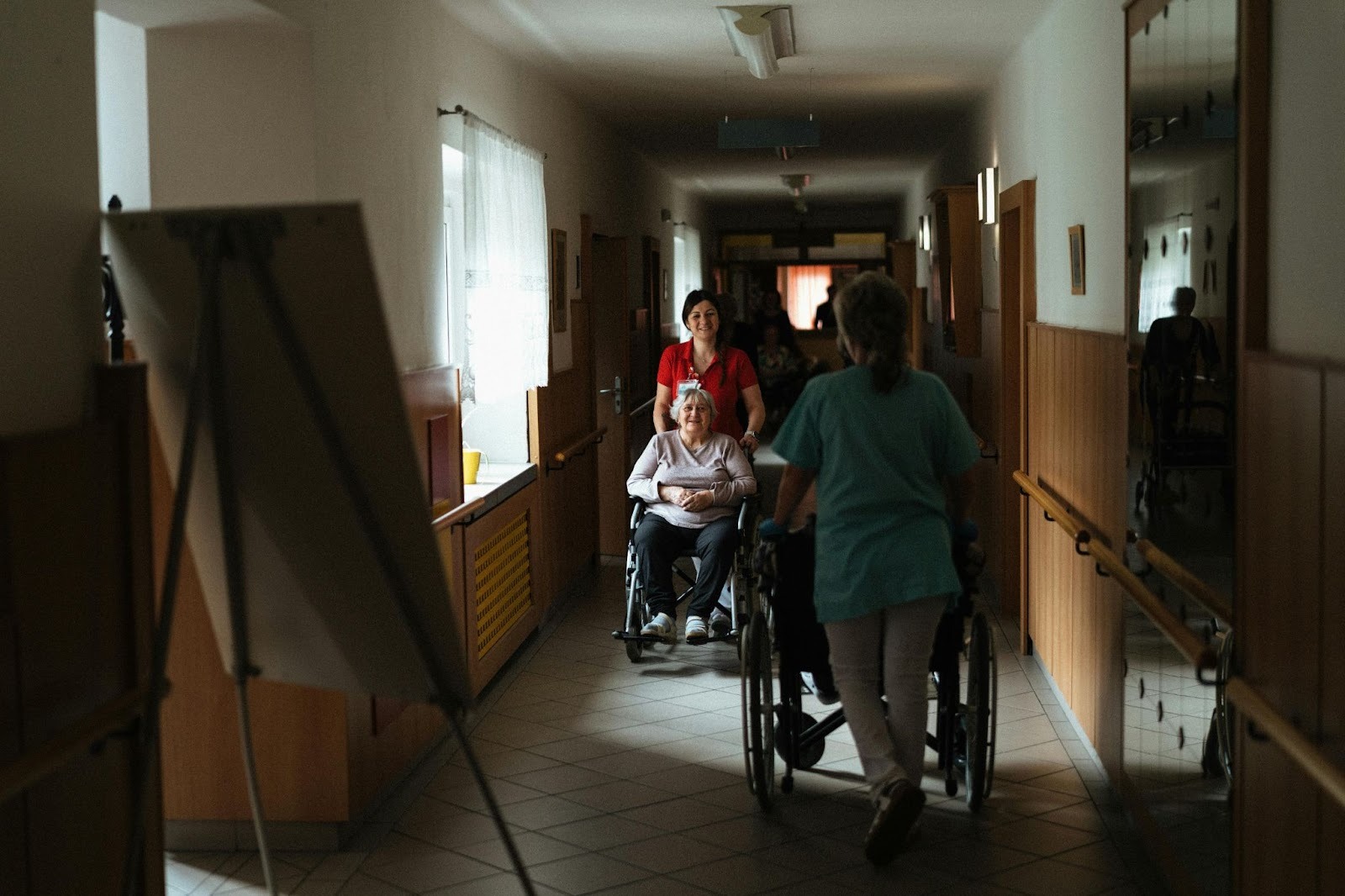
An Allied Health Assistant (AHA) is a trained support worker who works under the supervision of qualified allied health professionals. They don’t design treatment plans themselves, but they help implement and reinforce them. Think of AHAs as the bridge between professional therapy sessions and everyday practice at home or in the community.
Why Are AHAs Important in Disability Care?
For many NDIS participants, progress requires consistent practice, not just weekly therapy sessions. AHAs provide:
- Repetition and consistency of therapy activities.
- Hands-on support for participants during daily routines.
- Cost-effective care, as AHA sessions are usually less expensive than seeing a senior therapist.
- Greater accessibility, especially in areas where therapists are in short supply.

By working alongside allied health professionals, AHAs make therapy more practical, accessible, and sustainable.
Key Responsibilities of Allied Health Assistants
1. Supporting Therapy Plans
AHAs help participants practice exercises and activities set by allied health professionals. For example:
- Assisting with physiotherapy stretches and mobility exercises.
- Helping with occupational therapy tasks like dressing, cooking, or using assistive devices.
- Supporting speech therapy through communication games or AAC (Augmentative and Alternative Communication) tools.
2. Encouraging Daily Living Skills
AHAs help participants apply therapy strategies in real-life settings:
- Practicing hygiene routines.
- Assisting with meal preparation using dietitian-approved plans.
- Encouraging independence in daily self-care.
3. Data Collection and Feedback
AHAs often record progress, challenges, or observations during sessions. This information is then shared with the supervising therapist, ensuring care plans are updated and effective.
4. Building Confidence and Motivation
Because AHAs spend more time with participants than some clinicians, they often form close working relationships. This allows them to:
- Motivate participants to keep practicing.
- Build trust and consistency in therapy routines.
- Create supportive environments that reduce stress and build confidence.
How AHAs Work Within the NDIS
Under the NDIS, AHAs are usually funded through Capacity Building Supports – Improved Daily Living. Participants may:
- Receive direct AHA sessions supervised by their allied health provider.
- Use AHAs for home-based or community-based therapy support.
- Benefit from more affordable therapy hours, stretching their NDIS budgets further.
Supervising therapists are still responsible for designing care plans, but AHAs ensure those plans are implemented consistently.
Benefits of Including AHAs in NDIS Plans
- Affordability: AHAs extend therapy budgets by delivering more hours of support at a lower cost.
- Consistency: Participants get regular practice outside formal therapy sessions.
- Accessibility: Families in rural or regional areas benefit from having trained assistants when therapists are unavailable.
- Collaboration: AHAs ensure participants, families, and therapists stay connected.
The Future of Allied Health Assistants in the NDIS
With growing demand for allied health services, AHAs are becoming an essential part of disability care. Their ability to make therapy practical, affordable, and accessible means more participants can achieve their NDIS goals without interruption.
Final Thoughts
The role of an allied health assistant in the NDIS is to make therapy more accessible, consistent, and effective. By working under the supervision of professionals, AHAs ensure participants get the most out of their therapy plans while stretching their budgets further.
Looking to include an allied health assistant in your NDIS plan? Framer Health offers integrated allied health services supported by trained assistants who ensure participants make steady, measurable progress.
Book a consultation with Framer Health today and discover how AHAs can support your therapy journey.The Role of an Allied Health Assistant in the NDIS: What Families Should Know
The National Disability Insurance Scheme (NDIS) provides a wide range of supports to help participants achieve their goals and live independently. Among the many professionals involved in disability care, one important but often overlooked role is that of the Allied Health Assistant (AHA). While therapists like psychologists, occupational therapists, and physiotherapists design treatment plans, AHAs play a crucial role in delivering day-to-day support and ensuring continuity of care.

If you’ve ever wondered about the role of an allied health assistant in the NDIS, this guide will break it down in simple terms.
What Is an Allied Health Assistant?
An Allied Health Assistant (AHA) is a trained support worker who works under the supervision of qualified allied health professionals. They don’t design treatment plans themselves, but they help implement and reinforce them. Think of AHAs as the bridge between professional therapy sessions and everyday practice at home or in the community.
Why Are AHAs Important in Disability Care?
For many NDIS participants, progress requires consistent practice, not just weekly therapy sessions. AHAs provide:
- Repetition and consistency of therapy activities.
- Hands-on support for participants during daily routines.
- Cost-effective care, as AHA sessions are usually less expensive than seeing a senior therapist.
- Greater accessibility, especially in areas where therapists are in short supply.

By working alongside allied health professionals, AHAs make therapy more practical, accessible, and sustainable.
Key Responsibilities of Allied Health Assistants
1. Supporting Therapy Plans
AHAs help participants practice exercises and activities set by allied health professionals. For example:
- Assisting with physiotherapy stretches and mobility exercises.
- Helping with occupational therapy tasks like dressing, cooking, or using assistive devices.
- Supporting speech therapy through communication games or AAC (Augmentative and Alternative Communication) tools.
2. Encouraging Daily Living Skills
AHAs help participants apply therapy strategies in real-life settings:
- Practicing hygiene routines.
- Assisting with meal preparation using dietitian-approved plans.
- Encouraging independence in daily self-care.
3. Data Collection and Feedback
AHAs often record progress, challenges, or observations during sessions. This information is then shared with the supervising therapist, ensuring care plans are updated and effective.
4. Building Confidence and Motivation
Because AHAs spend more time with participants than some clinicians, they often form close working relationships. This allows them to:
- Motivate participants to keep practicing.
- Build trust and consistency in therapy routines.
- Create supportive environments that reduce stress and build confidence.
How AHAs Work Within the NDIS
Under the NDIS, AHAs are usually funded through Capacity Building Supports – Improved Daily Living. Participants may:
- Receive direct AHA sessions supervised by their allied health provider.
- Use AHAs for home-based or community-based therapy support.
- Benefit from more affordable therapy hours, stretching their NDIS budgets further.
Supervising therapists are still responsible for designing care plans, but AHAs ensure those plans are implemented consistently.
Benefits of Including AHAs in NDIS Plans
- Affordability: AHAs extend therapy budgets by delivering more hours of support at a lower cost.
- Consistency: Participants get regular practice outside formal therapy sessions.
- Accessibility: Families in rural or regional areas benefit from having trained assistants when therapists are unavailable.
- Collaboration: AHAs ensure participants, families, and therapists stay connected.
The Future of Allied Health Assistants in the NDIS
With growing demand for allied health services, AHAs are becoming an essential part of disability care. Their ability to make therapy practical, affordable, and accessible means more participants can achieve their NDIS goals without interruption.
Final Thoughts
The role of an allied health assistant in the NDIS is to make therapy more accessible, consistent, and effective. By working under the supervision of professionals, AHAs ensure participants get the most out of their therapy plans while stretching their budgets further.
Looking to include an allied health assistant in your NDIS plan? Framer Health offers integrated allied health services supported by trained assistants who ensure participants make steady, measurable progress.
Book a consultation with Framer Health today and discover how AHAs can support your therapy journey.