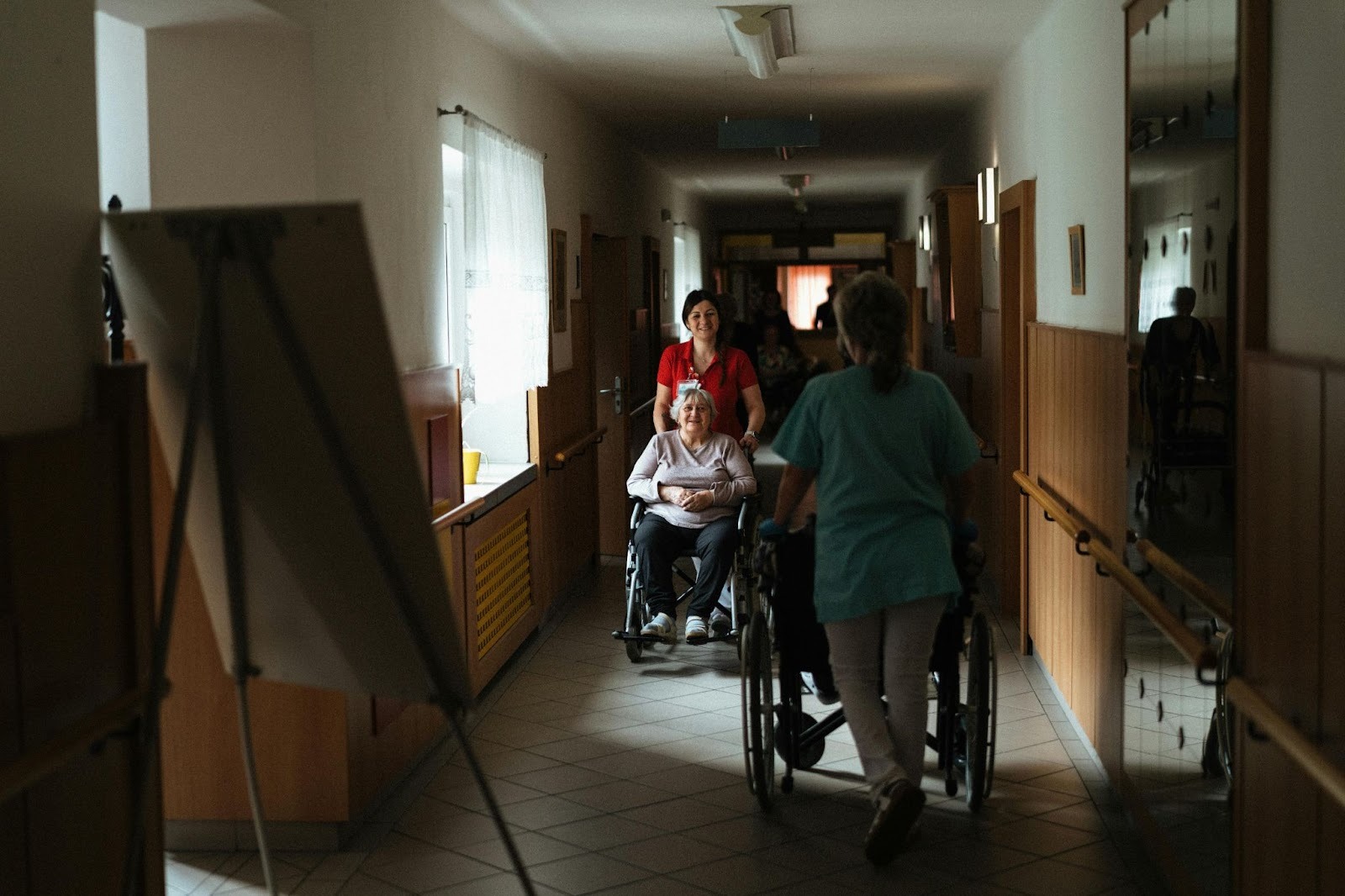
Food is more than fuel — it’s a foundation for health, growth, and independence. For people living with disability, nutrition plays an even bigger role in supporting wellbeing, managing medical conditions, and achieving personal goals. That’s why dietetics and nutrition support in disability care is such a vital component of the National Disability Insurance Scheme (NDIS).
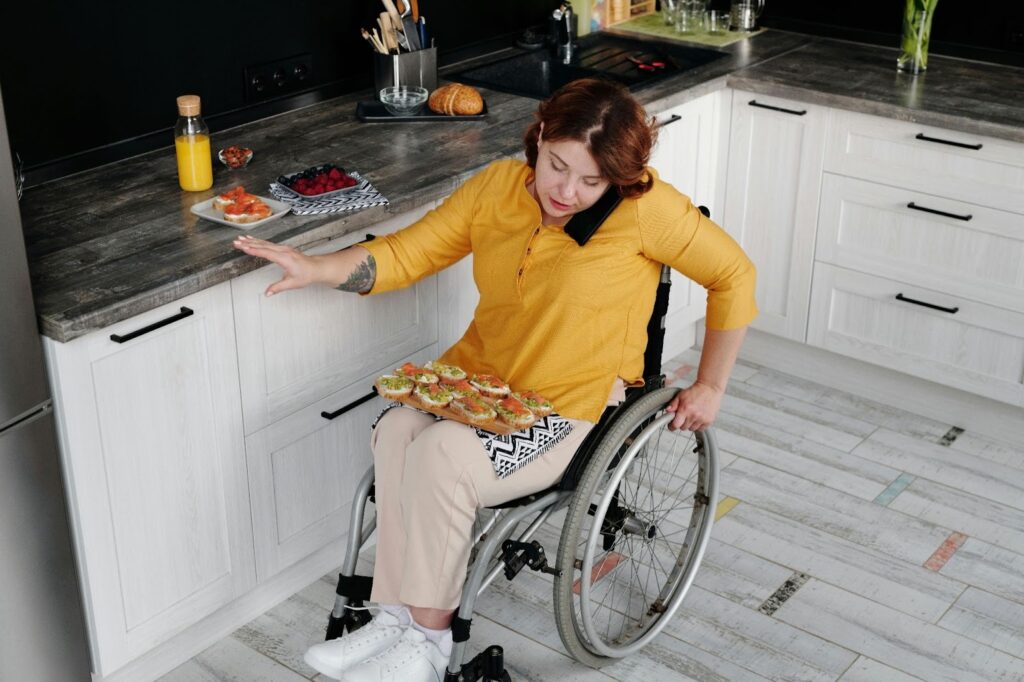
In this guide, we’ll explore what dietetics is, why it matters for NDIS participants, and how nutrition therapy supports everyday life.
What Is Dietetics?
Dietetics is the science of food and nutrition and how it affects health. Dietitians are qualified allied health professionals who assess nutritional needs, develop personalised meal plans, and provide education to help people make healthy choices.

For individuals with disability, dietitians go beyond general health advice. They address unique challenges such as swallowing difficulties, weight management, restricted diets, and complex medical conditions.
Why Nutrition Support Matters in Disability Care
Nutrition is directly linked to energy levels, mood, growth, and overall physical health. For NDIS participants, nutrition therapy can:
- Improve physical health and prevent secondary complications.
- Support growth and development in children.
- Enhance mood and concentration for better learning outcomes.
- Assist in managing chronic conditions such as diabetes or gastrointestinal disorders.
- Prevent malnutrition or obesity, both common risks in disability care.
Good nutrition can transform quality of life — making daily activities easier and building a foundation for long-term wellbeing.
Common Nutrition Challenges for People with Disability
- Feeding difficulties: Some participants may struggle with chewing or swallowing.
- Restricted diets: Due to allergies, intolerances, or sensory sensitivities.
- Weight management issues: Limited mobility can contribute to weight gain, while other conditions may lead to underweight concerns.
- Tube feeding requirements: Ensuring adequate nutrients are delivered through enteral feeding.
- Medication interactions: Certain drugs can affect appetite, digestion, or nutrient absorption.
These challenges highlight the importance of having professional nutrition support rather than a one-size-fits-all approach.
Role of Dietitians in NDIS Disability Care
Dietitians under the NDIS provide a wide range of services, including:
- Nutritional assessments: Identifying specific dietary needs and risks.
- Meal planning: Creating customised meal plans that align with health goals and preferences.
- Education: Teaching families and carers how to prepare balanced, affordable meals.
- Tube feeding support: Managing enteral feeding to ensure safe and adequate nutrition.
- Weight management programs: Supporting healthy weight gain or loss where required.
- Swallowing safety collaboration: Working alongside speech pathologists to ensure safe eating practices.
Benefits of Dietetics and Nutrition Support in Disability Care
1. Better Energy and Concentration
Well-planned meals support focus, learning, and participation in daily activities.
2. Enhanced Growth and Development
Children benefit from balanced diets that support physical and cognitive development.
3. Chronic Condition Management
Conditions like diabetes, epilepsy, or gastrointestinal disorders require specialised diets.
4. Improved Emotional Wellbeing
Good nutrition is linked to better mood regulation and reduced anxiety.
5. Greater Independence
Learning simple cooking and meal preparation skills empowers participants to take control of their own nutrition.
Collaboration With Other Allied Health Services
Nutrition support doesn’t work in isolation. Dietitians often collaborate with:
- Speech therapists: To address swallowing difficulties.
- Occupational therapists: For feeding equipment or adaptive cooking skills.
- Physiotherapists: To balance diet with physical activity goals.
This integrated approach ensures holistic care for participants.
Nutrition Therapy Under the NDIS
NDIS funding for dietetics is typically available under Capacity Building Supports – Improved Daily Living. This can include:
- One-on-one sessions with a dietitian.
- Home visits to assess mealtime routines.
- Group education sessions for families and carers.
- Reports for NDIS plan reviews.
Final Thoughts
Dietetics and nutrition support in disability care is about more than food — it’s about health, independence, and confidence. Whether managing tube feeding, navigating food sensitivities, or building healthy eating habits, dietitians provide essential guidance that empowers participants to live better lives.
Looking for expert dietetics and nutrition support under the NDIS? Framer Health offers personalised nutrition therapy tailored to each participant’s needs, ensuring safe, effective, and enjoyable approaches to food and health.
Book a nutrition consultation with Framer Health today and give your loved one the foundation for better health and independence.